
12 Things You Need to Do Before Wrapping Your Boat for Winter Storage
Empty the boat, flag problems, and hand it to the yard ready for wrap — 12 practical steps.
Published Updated
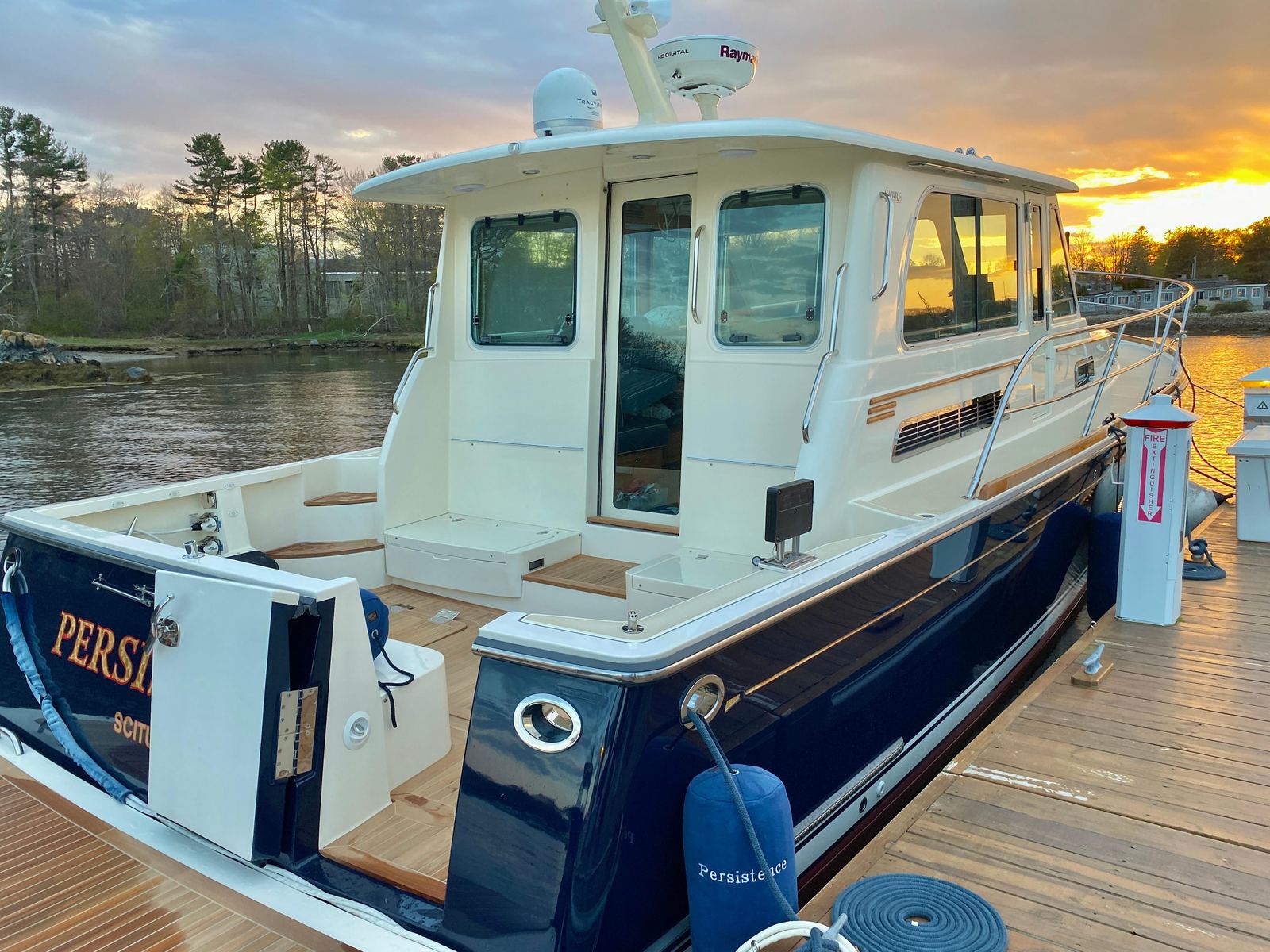
Hiring a professional to winterize and wrap your boat takes the technical work off your list. A little preparation before the appointment helps the crew reach the equipment, understand what needs attention, and put the boat away without avoidable delays.
Your part is to empty and organize the boat, flag problems, and make sure the service arrangements are clear. These 12 steps will help you hand it over ready for the yard to take care of the rest — useful whether you keep the boat in Maine, along Casco Bay, or elsewhere on the East Coast.
1. Book the work and confirm what is included
Arrange winterization, hauling, storage, and wrapping early enough to have freeze protection completed before freezing weather arrives. Ask for an itemized estimate showing exactly what the yard will handle.
Confirm coverage for the engines, generator, freshwater system, head, and other equipment aboard. Ask separately about battery care, cleaning, and winter inspections. Services may be booked together, but the scope should still be clear.
Agree who will confirm that the boat is ready for wrapping once the winterization is finished.
2. Empty the refrigerator and every food locker
Take home all food and drinks, including pantry items, bottled water, and the snacks tucked into the helm console. Check the cooler, bait storage, and any other compartment where something perishable might be hiding.
Defrost and clean the refrigerator or freezer, dry it thoroughly, and secure its door slightly open. Empty and clean portable coolers, too. Food residue and damp enclosed spaces are easier to deal with now than after months under a cover.
3. Remove valuables and personal gear
Take home clothing, sunglasses, binoculars, fishing tackle, portable electronics, and anything else you would not want to leave aboard for several months. Check drawers and lockers rather than relying on a quick look around the cockpit.
Remember the items you may need elsewhere over winter, such as tools, charging cables, or a portable speaker. Make a short inventory of equipment left aboard.
If you still need to run the boat to the yard, keep the required safety equipment aboard for that trip.
4. Take cushions and soft furnishings home
Where practical, remove loose cushions, bedding, towels, removable carpets, and other fabrics. Clean and dry them before storing them somewhere dry ashore.
Ask the yard what it wants done with canvas covers and enclosure panels. Agree who will remove and store them, particularly if the wrapping crew needs access to their frames.
If bulky cushions must stay aboard, discuss how they will be positioned for airflow. Avoid leaving them piled together or pressed against damp surfaces.
5. Give the boat a final clean
Wash the decks and cockpit, wipe down the cabin, and clear leaves, dirt, and loose debris from accessible lockers. If you would rather have the yard do the cleaning, add it to the work order and confirm it will happen before wrapping.
Allow time for washed areas to dry. Point out any compartment that stays wet or smells musty so the crew can investigate before it is covered.
A clean, dry boat gives the professionals a better starting point and reduces the moisture left inside the wrap.
6. Clear a path to the equipment
Remove bags, spare lines, and stored gear from engine hatches, battery compartments, and access panels. Clear the lockers that contain pumps, tanks, strainers, or valves.
Walk through the boat as if you were arriving to service it. Can someone lift the engine hatch without moving a cooler? Can they reach the water pump without unloading a locker?
Tell the crew about hidden access panels or awkward compartments. Leave disconnecting, draining, and dismantling equipment to the technician.
7. Write down the problems you noticed this season
Make a list while the details are fresh. Include hard starting, unusual vibration, warning lights, leaks, electrical faults, weak water pressure, or a bilge pump that ran more often than expected.
Describe when each issue happened and what you observed. A note such as “vibration above 2,500 rpm” is more useful than “check engine.” Photos or short videos can help.
Ask the yard to distinguish winterization work from diagnostic work and repairs, and agree how it will seek approval for additional costs.
8. Point out every system that needs attention
Give the yard an equipment list, especially if it has not serviced your boat before. Include the generator, freshwater plumbing, water heater, head, air conditioning, washdowns, livewells, and any other equipment that uses water.
Highlight additions or modifications the crew might not expect, such as a second freshwater tank, an extra shower, or a replacement battery system. Provide the relevant manuals or model details if you have them.
The owner often knows the boat’s less obvious features best. Make that knowledge part of the handover.
9. Ask about fuel and pump-out arrangements
Before your final trip or delivery, ask the yard what fuel level it wants and who will handle fuel treatment. Follow its instructions for your boat and storage arrangement; avoid adding products or topping up simply because that was last year’s routine.
Confirm how the holding-tank pump-out will be handled and whether it needs to happen before hauling. If another marina or service is involved, arrange it before the boat reaches the yard.
Have the professional handle the winterization itself, with those logistics settled in advance.
10. Provide keys and clear access instructions
Supply labeled keys for the ignition, cabin, lockers, and trailer locks as needed. Tell the yard where the boat will be, how to reach it, and whom to contact with questions.
For a mobile service, confirm driveway access, gate arrangements, and any water or electricity the contractor requires. Move vehicles and other obstacles before the appointment.
Give the crew a reliable phone number and confirm how it will notify you when the work is finished. Leave the boat’s electrical and plumbing setup as the technician requests.
11. Photograph the boat before handing it over
Take clear photos of the hull, decks, cockpit, cabin, and accessible engine spaces. Include existing scratches, damaged fittings, and any areas you have asked the yard to inspect.
Record the engine hours and fuel-gauge reading, and save the images with the work order and your equipment inventory. This gives you and the yard a useful reference for the boat’s condition at handover.
Keep a separate list of everything you take home so putting the boat back together in spring is straightforward.
12. Decide how the boat will be accessed and checked
Tell the installer whether you expect to visit the boat or have work done over winter. Request a zippered access door in a practical location, and ask how the wrap will be supported and ventilated. Proper shrink-wrap ventilation helps moisture escape from the covered space.
Agree who will check the boat periodically and after significant storms, including the cover, vents, and any signs of moisture inside. Ask whether those checks are included in storage or need to be arranged separately.
Before the job is closed, request confirmation of the services completed and a record of anything disconnected, removed, or left for spring. Keep that record with your launch checklist.
Takeaway
Winter wrap goes smoother when the boat is empty, dry, and documented before the crew arrives. Book early, clear the path to the systems, write down what went wrong this season, and agree on access and checks for the months under cover. Hand the yard a boat that is ready — then let the professionals finish the freeze protection and wrap.